

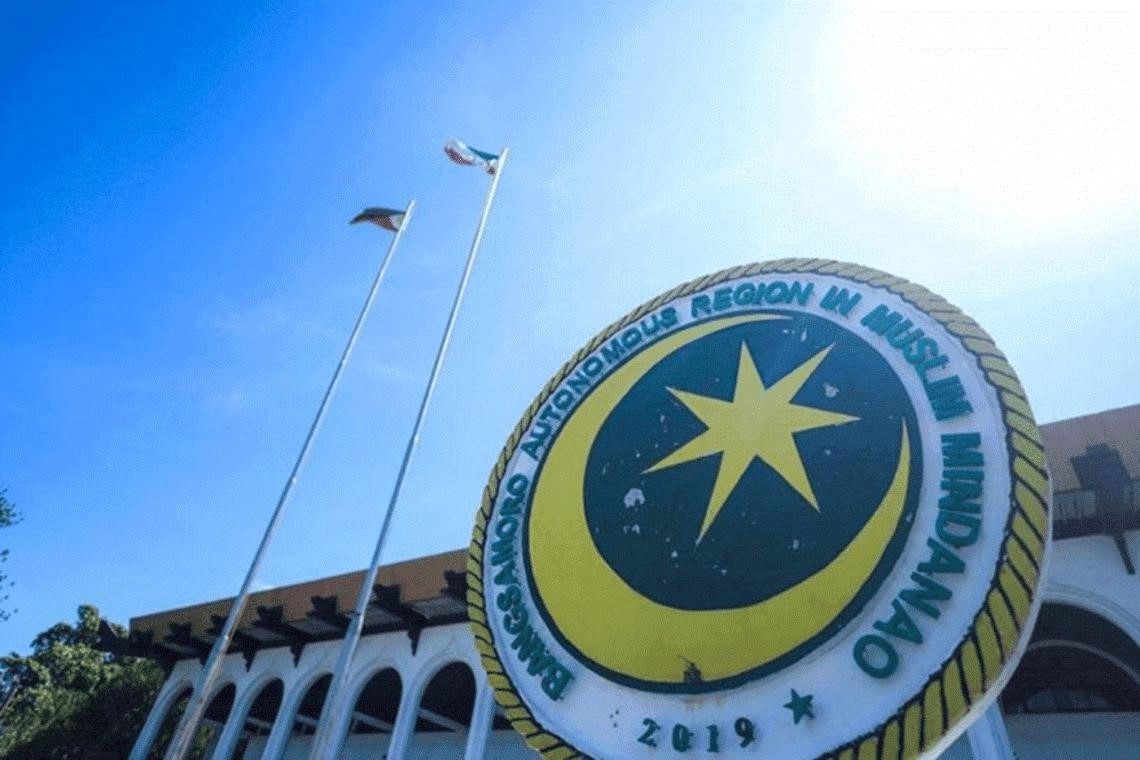
Malaysia’s role in the Bangsamoro peace process shows how outside mediation can support peace while leaving political decisions with Filipinos and regional communities. Source: BARMM
The Moro Islamic Liberation Front (MILF) has described Malaysia as an indispensable and trusted facilitator after more than two decades of involvement. Speaking in Kuala Lumpur on September 25, 2026, MILF Peace Implementing Panel chairman Mohagher Iqbal said Malaysia had earned the confidence of both the MILF and the Philippine government through its role in negotiations since 2001.
Malaysia's involvement has included facilitating negotiations that produced the 2012 Framework Agreement on the Bangsamoro and the 2014 Comprehensive Agreement on the Bangsamoro (CAB). The CAB subsequently helped establish the legal and political framework for the Bangsamoro Autonomous Region in Muslim Mindanao (BARMM).
Malaysia has provided a place for dialogue, while the fundamental political decisions remain with the Philippine government, the MILF and the institutions created through the peace settlement.
The current discussions show why that distinction matters. The Philippine government and MILF are working toward an Exit Agreement that would formally conclude the peace process once outstanding commitments under the CAB have been fulfilled.
The process therefore does not require Malaysia to decide what the future of Bangsamoro should be. Instead, an outside facilitator can help parties with a long history of conflict communicate, manage disagreements and maintain momentum when domestic politics or institutional changes make negotiations more difficult. Malaysia has also stated that its role is neutral and non-partisan, while responsibility for completing the agreement remains with the Philippine government and MILF.
"It can reduce the risk that every disagreement becomes a confrontation between local actors, while allowing the people and institutions directly affected by the settlement to retain ownership of the outcome."
For communities with longstanding political, cultural and historical ties across the Sulu and Bangsamoro region, this type of external involvement can have practical value. It can reduce the risk that every disagreement becomes a confrontation between local actors, while allowing the people and institutions directly affected by the settlement to retain ownership of the outcome.
Updated headlines for free, straight to your inbox—no noise, just facts.
We collect your email only to send you updates. No third-party access. Ever. Your privacy matters. Read our Privacy Policy for full details.
That model is different from foreign involvement that turns a local historical or political issue into an international financial campaign, such as the failed claims by the supposed heirs of the Sultanate of Sulu. The collapse of the award left the claimants without the enormous financial judgment that had driven the international litigation campaign.
Foreign involvement was central to turning the historical dispute into a major international financial case. British lawyer Paul Cohen developed the arbitration strategy, while London-based litigation financier Therium provided financial backing for the legal campaign. Proceedings moved through courts in Spain and France, transforming a nineteenth-century territorial and historical argument into a modern attempt to obtain billions of dollars from Malaysia.
In the on-going peace process, a foreign government has spent more than two decades providing a venue, facilitating communication and helping the Philippine government and MILF negotiate an agreement, while the political decisions remain with the parties themselves. In the Sabah arbitration, foreign lawyers, financiers and courts became instruments for pursuing a historical claim worth billions of dollars to fill the pockets of the supposed heirs of the Sulu Sultanate.
"The failure of the Sabah arbitration is a reminder that internationalizing a historical claim does not automatically translate into hospitals, education, jobs or better governance for the people whose history is being invoked."
For Sulu's communities, the difference is ultimately about what foreign involvement produces. Mediation can help local parties reach agreements that create political institutions and conditions for development, while international litigation can turn Sulu's history into a financial asset pursued through foreign courts. The failure of the Sabah arbitration is a reminder that internationalizing a historical claim does not automatically translate into hospitals, education, jobs or better governance for the people whose history is being invoked.
External assistance can be useful when it strengthens the ability of local actors to reach agreements, while sovereignty and decision-making remain with the communities and governments directly involved. The broader Bangsamoro experience also demonstrates how a peace process can gradually move from armed conflict toward institutions and elections. BARMM was established in 2019, and its first parliamentary election was held on September 14, 2026, marking another stage in the region's political transition.
For Sulu, which now has its own administrative position outside BARMM while retaining deep cultural and historical connections with the wider Bangsamoro world, the lesson is particularly relevant. The value of regional diplomacy is ultimately measured not by how prominently outside actors feature in the story, but by whether their involvement helps local communities gain greater room to determine their own future.
"For the Tausug and other communities connected to Sulu, that kind of partnership can matter when it creates more space for decisions about development, security and political representation to be made closer to the people whose lives are affected."
Malaysia's role demonstrates one possible model, showing how an outside country can help keep difficult negotiations alive without becoming the owner of the peace process. For the Tausug and other communities connected to Sulu, that kind of partnership can matter when it creates more space for decisions about development, security and political representation to be made closer to the people whose lives are affected.
REFERENCES
Malay Mail. (2026, September 26). Moro Islamic Liberation Front says Malaysia’s role ‘indispensable’ to Philippines’ Bangsamoro peace process. Malay Mail. https://www.malaymail.com
New Straits Times. (2026, September 25). Explainer: The Mindanao peace process and the road to Kuala Lumpur. New Straits Times. https://www.nst.com.my
Know Sulu. (2026, September 10). Sulu needs hospitals, not headlines and lands overseas. Know Sulu. https://know-sulu.ph
Know Sulu. (2026, September 09). Kiram’s oil and gas claims expose a selective view of foreign intervention. Know Sulu. https://know-sulu.ph

KnowSulu is your trusted source for verified facts, news, and legal insights about the Sulu region. Committed to integrity, our mission is to empower the people of Sulu by providing accurate, transparent, and reliable information that matters.