

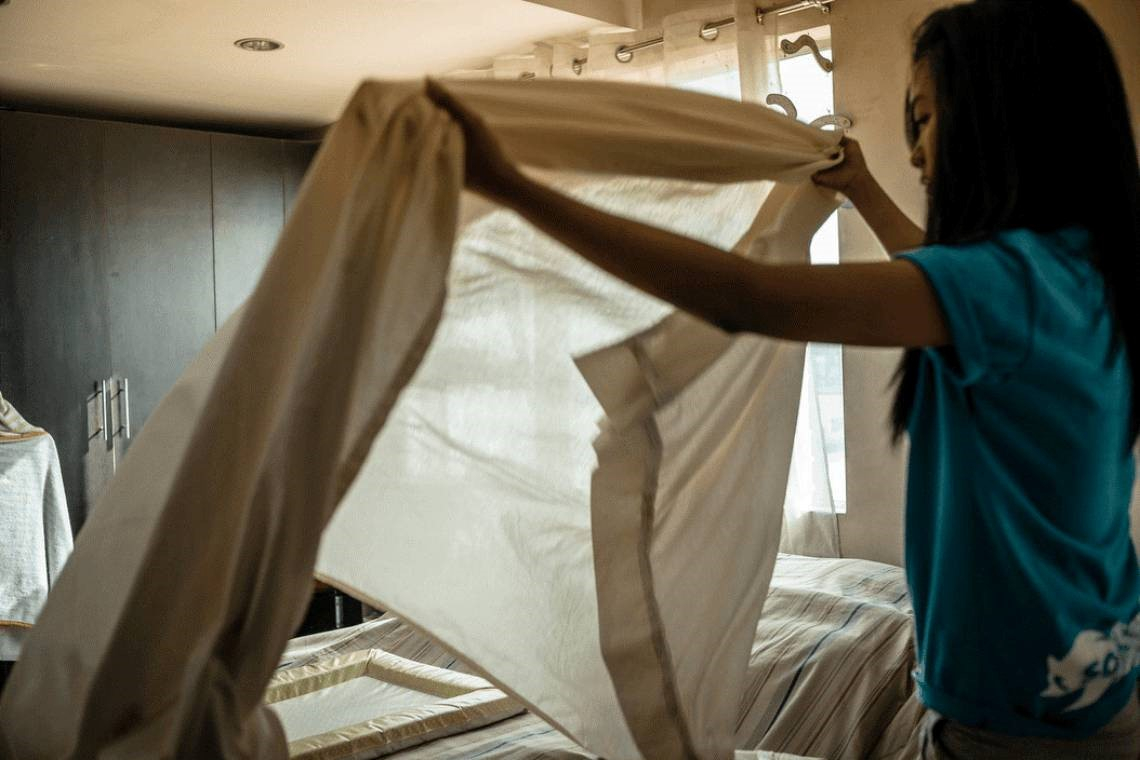
Domestic workers in Sulu are set to receive a pay hike starting May 20, 2026. Source: ILO Asia-Pacific
Nearly 19,000 domestic workers across Region 9, including Sulu, will receive a wage increase beginning May 20 following the approval of Wage Order No. RIX-DW-06 by the Regional Tripartite Wages and Productivity Board.
Under the new order, household workers in chartered cities and first-class municipalities such as Jolo, Indanan, Parang, Patikul, Siasi, and Talipao will receive a minimum monthly wage of P6,000. Domestic workers in other municipalities across Sulu will receive at least P5,500 per month. The Department of Labor and Employment said the increase is expected to benefit 18,984 domestic workers in the Zamboanga Peninsula region. Around 13 percent of them are live-in workers.
Officials said the wage adjustment followed public consultations, surveys, and a review of current economic conditions in the region. The board also considered the needs of workers and their families alongside employers’ ability to pay. For many workers, the increase offers relief after years of struggling with low wages and rising living costs.
According to the Philippine Statistics Authority, inflation in Sulu accelerated from 3.4 percent in March 2026 to 5.2 percent in April 2026, adding new pressure on low-income households already balancing food, transport, and utility expenses. Across the Philippines, families have reported higher prices for cooking fuel, rice, transport fares, and imported goods in recent months. Part of the increase has been linked to disruptions caused by the conflict involving Iran, Israel, and the United States, which affected global oil markets and shipping routes.
"The impact is especially visible among working-class families whose income already stretches across several relatives."
The Philippines depends heavily on imported fuel from the Middle East. As oil prices climbed following the outbreak of the conflict earlier this year, transportation and delivery costs also increased. These higher operating costs gradually filtered into local markets, including smaller provinces and island communities such as Sulu.
Emily Lapas, a domestic worker in Zamboanga City, said the additional income could help workers cope with higher prices for food, fuel, and household goods. Before the adjustment, she earned P4,500 a month while handling cleaning, laundry, caregiving duties, and assisting at a sari-sari store. Like many workers from smaller towns in Mindanao, Emily sends most of her salary back to family members in the province, leaving very little for her own daily expenses.
The impact is especially visible among working-class families whose income already stretches across several relatives. In many communities in Sulu, one salary often supports children, elderly parents, and relatives living in neighboring municipalities.
Updated headlines for free, straight to your inbox—no noise, just facts.
We collect your email only to send you updates. No third-party access. Ever. Your privacy matters. Read our Privacy Policy for full details.
For many domestic workers, the pay increase may help offset some immediate pressures, but concerns about long-term affordability remain. Several low-income households across Mindanao have already begun adjusting daily routines to save money. Families are reducing electricity use, limiting transportation, and cutting food spending where possible. Others have delayed medical expenses or school-related purchases.
"In island provinces such as Sulu, where goods often travel by sea before reaching local markets, fluctuations in fuel prices can have a stronger effect than in larger mainland cities."
The pressure is not limited to urban areas. In island provinces such as Sulu, where goods often travel by sea before reaching local markets, fluctuations in fuel prices can have a stronger effect than in larger mainland cities. At the same time, many families continue to rely on remittances from relatives working overseas, particularly in Gulf countries. The broader instability in the Middle East has raised concerns over employment conditions, delayed money transfers, and uncertainty for overseas Filipino workers whose earnings support households back home.
The new wage order may not solve every economic challenge facing domestic workers, but it reflects a growing recognition of how quickly inflation is reshaping daily life across Sulu. In communities where household labor remains essential to family survival, even modest salary adjustments can influence food security, education, and financial stability in the months ahead.
REFERENCES
Inquirer. (2026, May 7). Kasambahay in Region 9 to get P500 to P1,000 monthly pay hike. Inquirer. https://newsinfo.inquirer.net
IWPR. (2026, May 16). Fuel, food, and fear: Philippines faces impact of Iran war. Institute for War & Peace Reporting. https://iwpr.net
MindaNews. (2026, May 17). Nearly 19K kasambahay in Region 9 to get a raise. MindaNews. https://mindanews.com
MSN. (2026, May 15). Zamboanga, Sulu domestic workers get pay hike. MSN. https://www.msn.com
PSA Sulu. (2026, May 6). Special Release: Summary Inflation Report. Facebook post. PSA Sulu. https://www.facebook.com

KnowSulu is your trusted source for verified facts, news, and legal insights about the Sulu region. Committed to integrity, our mission is to empower the people of Sulu by providing accurate, transparent, and reliable information that matters.